Tag: seniors care
-

How to Handle Difficult Dementia Behaviors: De-escalating Aggression, Wandering, and Paranoia
Summary: Difficult behaviors in dementia, such as aggression, wandering, and paranoia, are distress signals caused by cognitive deterioration, physical discomfort, or environmental overstimulation. Successful management relies on three core principles: Validate and never debate: Acknowledge the person’s emotional reality rather than correcting factual errors. Identify hidden triggers: Investigate physical pain, infections, sensory overload, or fatigue…
-

Dementia Care at Home: A Step by Step Guide to Daily Routines and Safety
Dementia Care at Home: A Step by Step Guide to Daily Routines and Safety Summary: Providing effective dementia care at home requires establishing predictable daily schedules, implementing proactive household safety modifications, and adopting compassionate communication techniques. Maintaining structured routines for morning hygiene, nutritious meals, cognitive stimulation, and evening winddown helps reduce anxiety, confusion, and late…
-
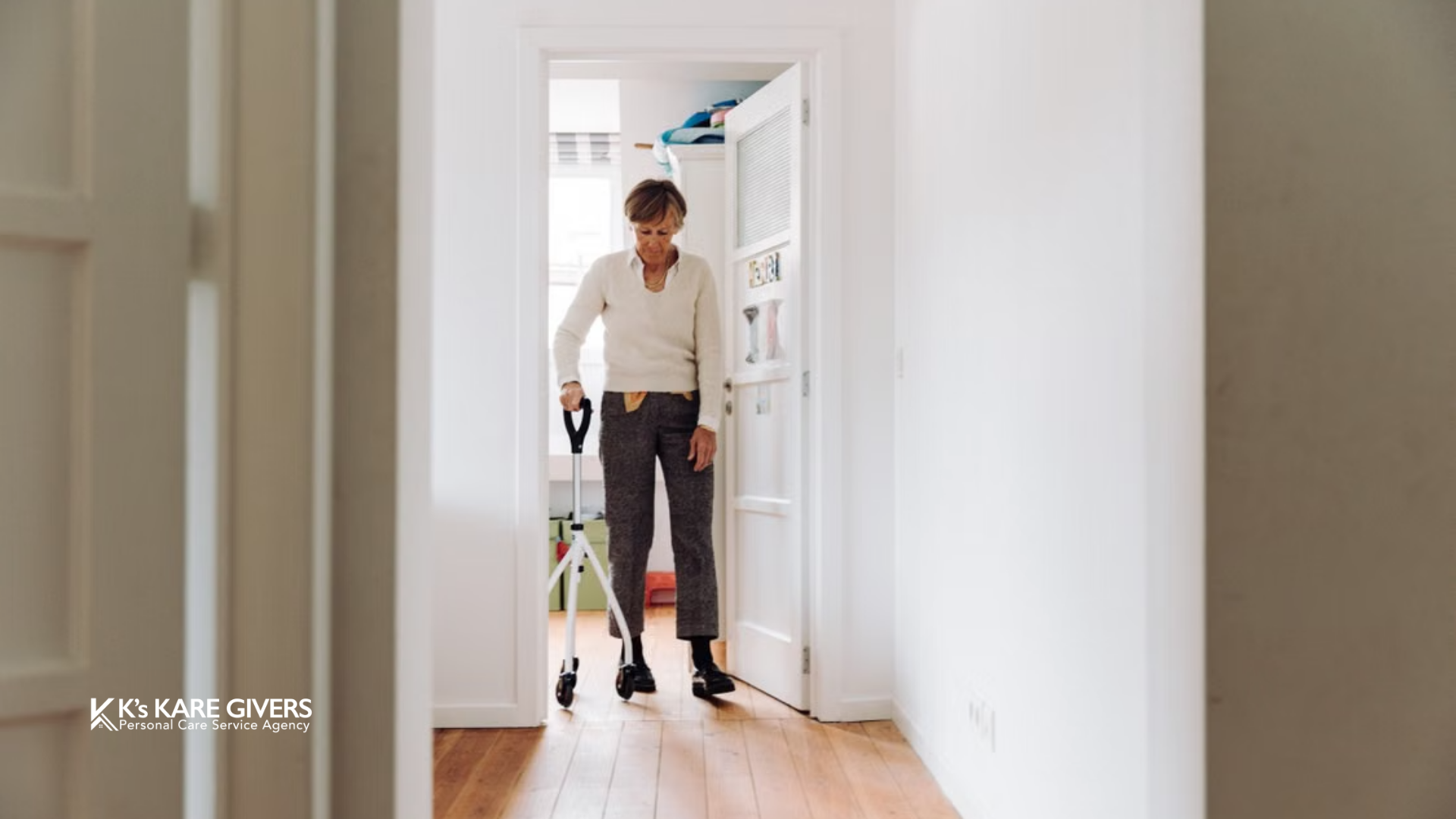
How to Prevent Falls and Accidents for Seniors Living at Home
How to Prevent Falls and Accidents for Seniors Living at Home: Complete Safety Guide Summary: Preventing falls and domestic accidents among aging seniors requires a comprehensive strategy combining environmental home modifications, routine medication reviews, physical mobility exercises, and professional caregiver supervision. Falls represent the leading cause of fatal and nonfatal injuries among older adults, often…
-

Helping an Aging Loved One Through Declining Mental Health
Navigating an aging loved one’s declining mental health requires recognizing early warning signs, distinguishing normal aging from conditions like dementia or late-life depression, and introducing structured home-care routines. Proactive medical assessments, compassionate communication, and professional in-home support (such as memory care and respite assistance) help protect your loved one’s dignity, independence, and overall quality of…