Tag: senior dementia care
-

How to Handle Difficult Dementia Behaviors: De-escalating Aggression, Wandering, and Paranoia
Summary: Difficult behaviors in dementia, such as aggression, wandering, and paranoia, are distress signals caused by cognitive deterioration, physical discomfort, or environmental overstimulation. Successful management relies on three core principles: Validate and never debate: Acknowledge the person’s emotional reality rather than correcting factual errors. Identify hidden triggers: Investigate physical pain, infections, sensory overload, or fatigue…
-
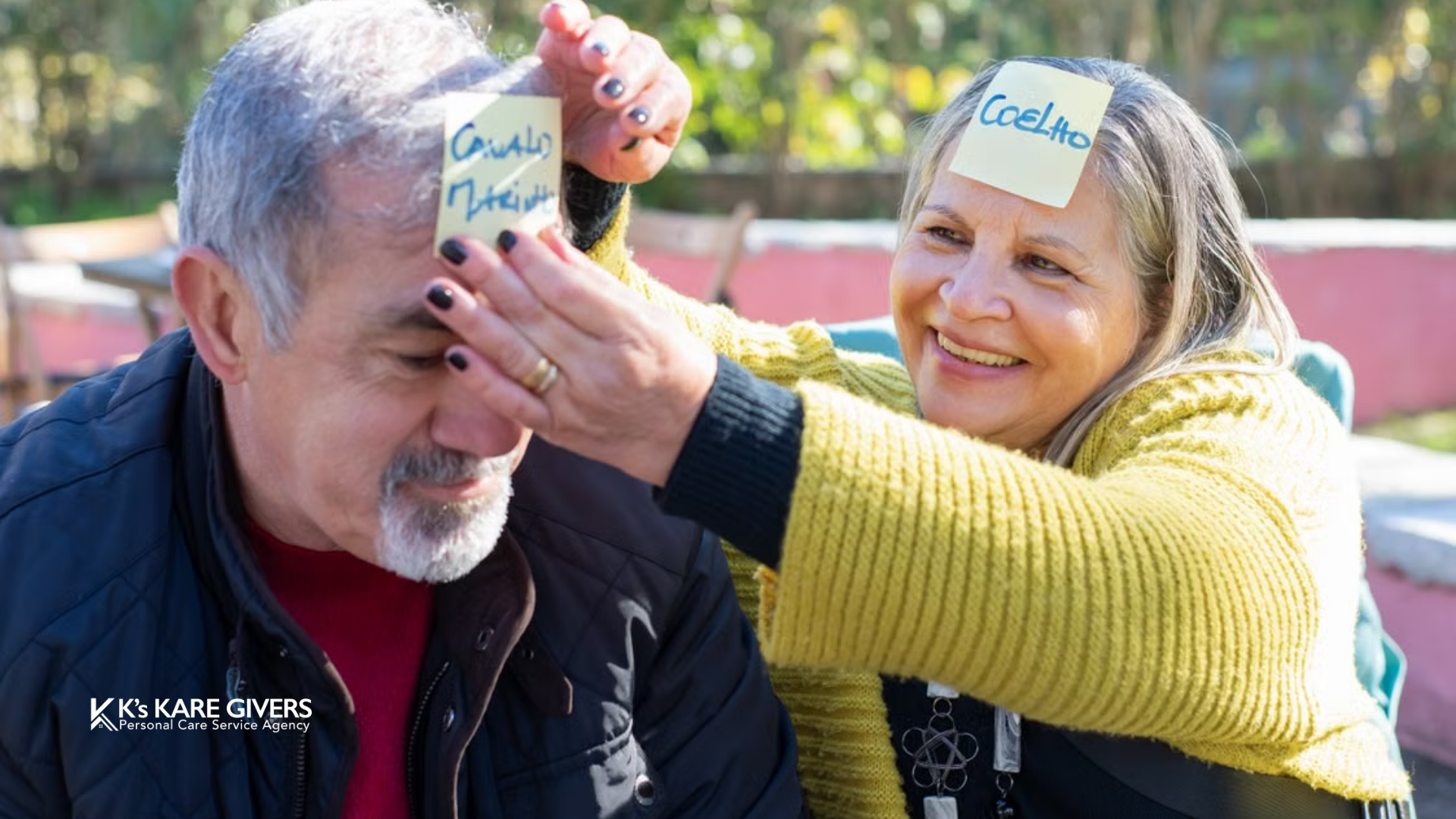
Dementia Care at Home: A Step by Step Guide to Daily Routines and Safety
Dementia Care at Home: A Step by Step Guide to Daily Routines and Safety Summary: Providing effective dementia care at home requires establishing predictable daily schedules, implementing proactive household safety modifications, and adopting compassionate communication techniques. Maintaining structured routines for morning hygiene, nutritious meals, cognitive stimulation, and evening winddown helps reduce anxiety, confusion, and late…
-
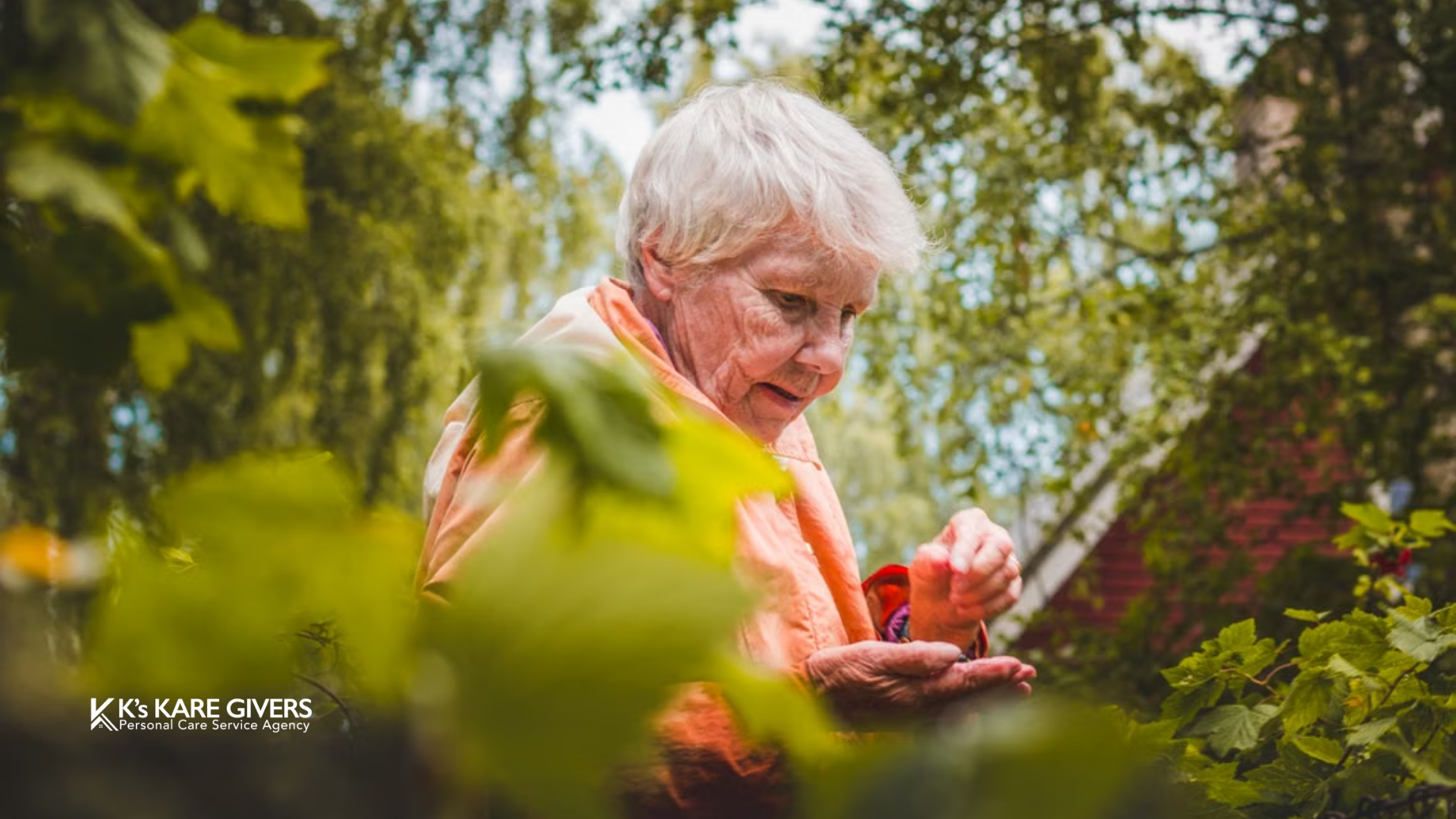
Managing Sundowning in Dementia: Causes, Triggers, and Calming Nighttime Strategies
Managing Sundowning in Dementia: Causes, Triggers, and Calming Nighttime Strategies Summary: Sundowning syndrome, also known as late afternoon agitation, is a neurological phenomenon affecting individuals with Alzheimer’s disease and progressive dementia. Characterized by heightened confusion, anxiety, pacing, paranoia, and sleep disruption beginning in the late afternoon and continuing into the night, sundowning is driven by…
-

Dementia vs. Alzheimer’s Disease: Key Differences, Symptoms, and Care Needs
Dementia vs. Alzheimer’s Disease: Key Differences, Symptoms, and Care Needs Summary: Although the terms are frequently used interchangeably, dementia and Alzheimer’s disease are not the same condition. Dementia is an overarching clinical umbrella term describing a progressive decline in memory, reasoning, communication, and daily functioning. Alzheimer’s disease is a specific, irreversible neurodegenerative disorder and represents…
-
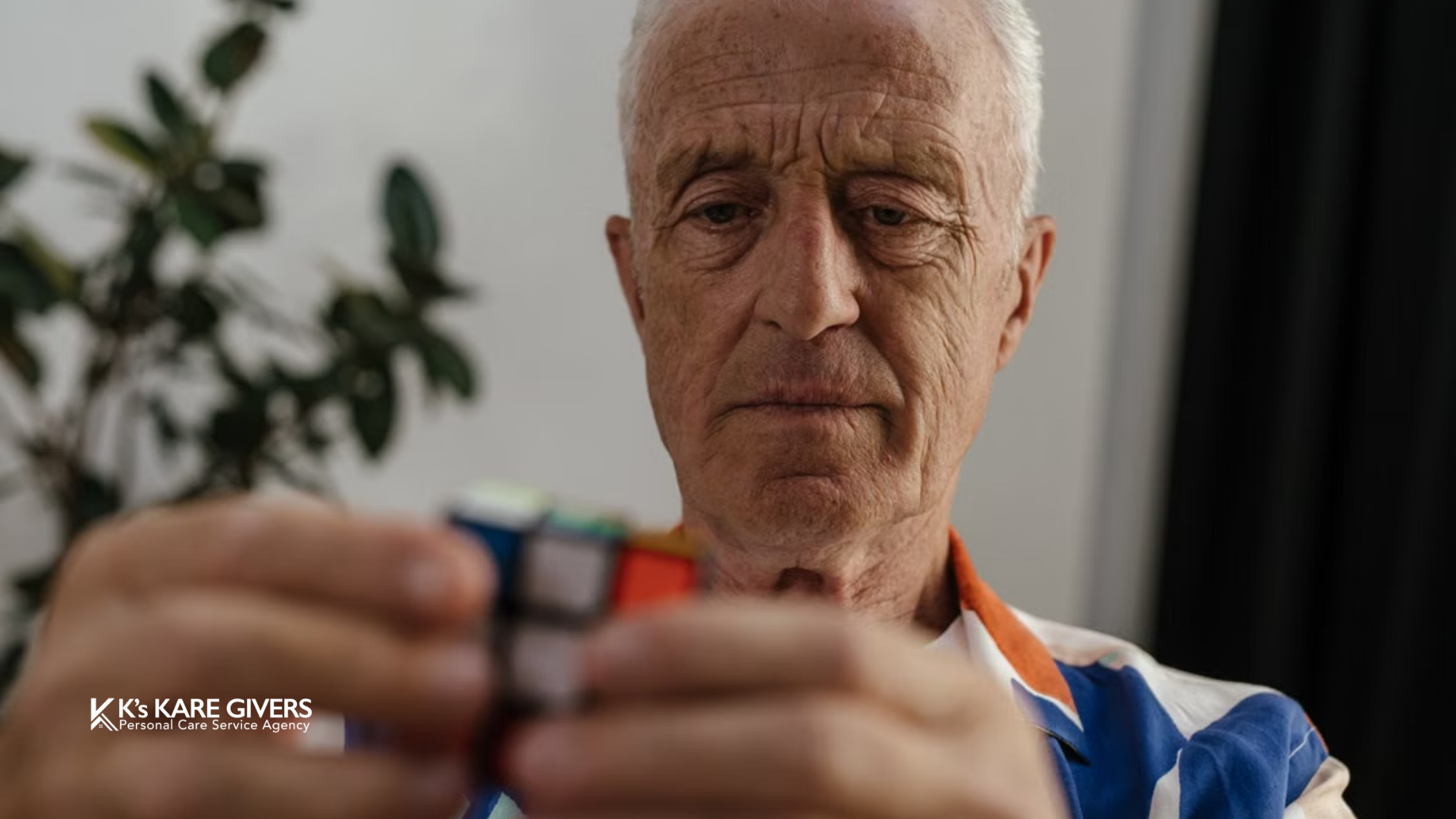
The 7 Stages of Dementia: Symptoms, Progression, and In-Home Care Strategies
The 7 Stages of Dementia: Symptoms, Progression, and In-Home Care Strategies Summary: Dementia progression is clinically tracked across seven distinct phases using the Global Deterioration Scale (GDS), also known as the Reisberg Scale. The framework spans from Stage 1 (No Cognitive Impairment) through early forgetfulness (Stages 2 and 3), moderate memory loss and executive dysfunction…
-

7 Clear Signs Your Aging Parent Needs Professional In-Home Care
When to Step In: 7 Clear Signs Your Aging Parent Needs Professional In-Home Care Summary: Recognizing when an elderly parent requires professional assistance is one of the most critical decisions an adult child will make. Physical decline, cognitive changes, and self-neglect often occur gradually, making warning signs easy to overlook until an acute medical emergency…
-

How In-Home Caregivers Support Senior Veterans in Las Vegas
Aging with PTSD: How In-Home Caregivers Support Senior Veterans in Las Vegas Summary: Aging military veterans in Las Vegas and Clark County often experience a resurgence of combat trauma known clinically as Late Onset Stress Symptomatology (LOSS) or exacerbated Post-Traumatic Stress Disorder (PTSD). Life transitions such as retirement, physical decline, sensory changes, or progressive dementia…
-
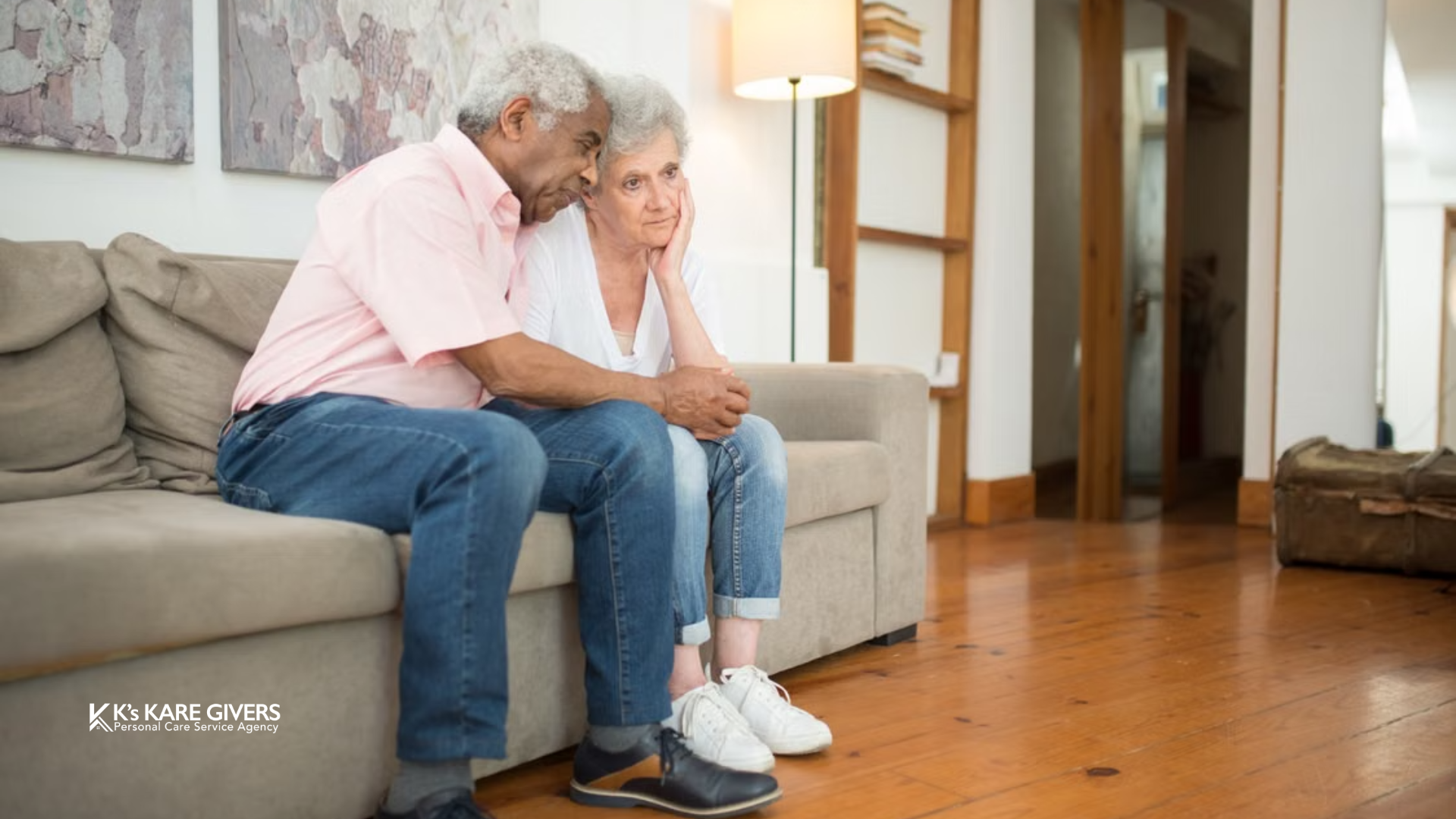
Delirium vs. Dementia: Causes, Symptoms, Treatments, and Preventative Measures
Delirium vs. Dementia: Causes, Symptoms, Treatments, and Preventative Measures Summary: While both delirium and dementia impair cognition in older adults, they are fundamentally distinct medical conditions. Delirium is an acute, sudden-onset medical emergency characterized by fluctuating attention, hallucinations, and rapid confusion, usually triggered by an underlying illness, infection, or medication reaction, and it is often…