Tag: ks karegivers
-

How to Qualify for Nevada ADSD Waivers & In-Home Care in Las Vegas
Summary: Nevada Aging and Disability Services Division (ADSD) Medicaid Waivers allow adults with physical disabilities and qualifying seniors in Las Vegas and Clark County to receive essential in home support rather than living in an institutional nursing facility. Key aspects of the program include: Primary waiver programs: The Physical Disabilities (PD) Waiver and Frail Elderly…
-

How to Protect Aging Parents from Financial Scams
Summary: Financial exploitation of older adults is a rapidly growing crisis resulting in billions of dollars in annual losses. Scammers specifically target seniors by exploiting social isolation, technological unfamiliarity, cognitive vulnerabilities, and accumulated lifetime savings. Protecting your aging parents requires a proactive defense strategy: Spot urgent emotional manipulation: Criminals create false emergencies involving grandchildren, government…
-

Senior Dehydration: Hidden Warning Signs and How Caregivers Can Prevent It
Summary: Dehydration in seniors is a frequent, dangerous, and often silent condition that causes thousands of preventable hospitalizations each year. Because older adults experience a dulled thirst response and reduced renal function, dehydration often presents atypically through cognitive and physical distress signals rather than complaints of thirst. Key prevention principles include: Recognize hidden indicators: Watch…
-

How to Prevent Dangerous Dosage Errors: Medication Management for Seniors
Summary: Medication dosage errors represent one of the leading preventable health hazards among older adults. Seniors frequently take multiple prescriptions alongside over the counter supplements, creating severe risks of accidental overdoses, omitted doses, and toxic drug interactions. Safeguarding your loved one involves four essential practices: Maintain a centralized master drug list: Record brand names, generic…
-

How to Handle Difficult Dementia Behaviors: De-escalating Aggression, Wandering, and Paranoia
Summary: Difficult behaviors in dementia, such as aggression, wandering, and paranoia, are distress signals caused by cognitive deterioration, physical discomfort, or environmental overstimulation. Successful management relies on three core principles: Validate and never debate: Acknowledge the person’s emotional reality rather than correcting factual errors. Identify hidden triggers: Investigate physical pain, infections, sensory overload, or fatigue…
-

Dementia Care at Home: A Step by Step Guide to Daily Routines and Safety
Dementia Care at Home: A Step by Step Guide to Daily Routines and Safety Summary: Providing effective dementia care at home requires establishing predictable daily schedules, implementing proactive household safety modifications, and adopting compassionate communication techniques. Maintaining structured routines for morning hygiene, nutritious meals, cognitive stimulation, and evening winddown helps reduce anxiety, confusion, and late…
-
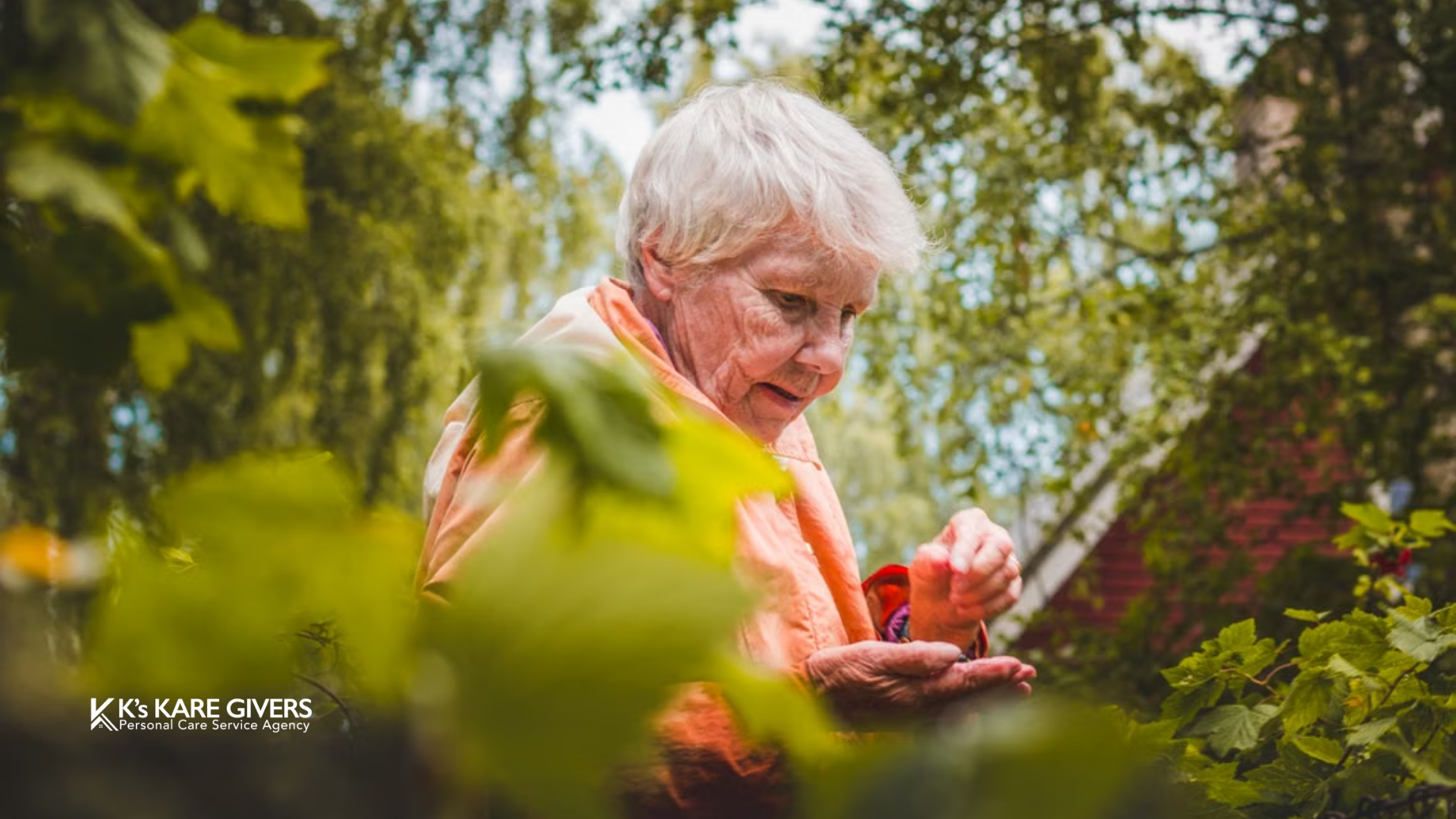
Managing Sundowning in Dementia: Causes, Triggers, and Calming Nighttime Strategies
Managing Sundowning in Dementia: Causes, Triggers, and Calming Nighttime Strategies Summary: Sundowning syndrome, also known as late afternoon agitation, is a neurological phenomenon affecting individuals with Alzheimer’s disease and progressive dementia. Characterized by heightened confusion, anxiety, pacing, paranoia, and sleep disruption beginning in the late afternoon and continuing into the night, sundowning is driven by…
-

Dementia vs. Alzheimer’s Disease: Key Differences, Symptoms, and Care Needs
Dementia vs. Alzheimer’s Disease: Key Differences, Symptoms, and Care Needs Summary: Although the terms are frequently used interchangeably, dementia and Alzheimer’s disease are not the same condition. Dementia is an overarching clinical umbrella term describing a progressive decline in memory, reasoning, communication, and daily functioning. Alzheimer’s disease is a specific, irreversible neurodegenerative disorder and represents…
-
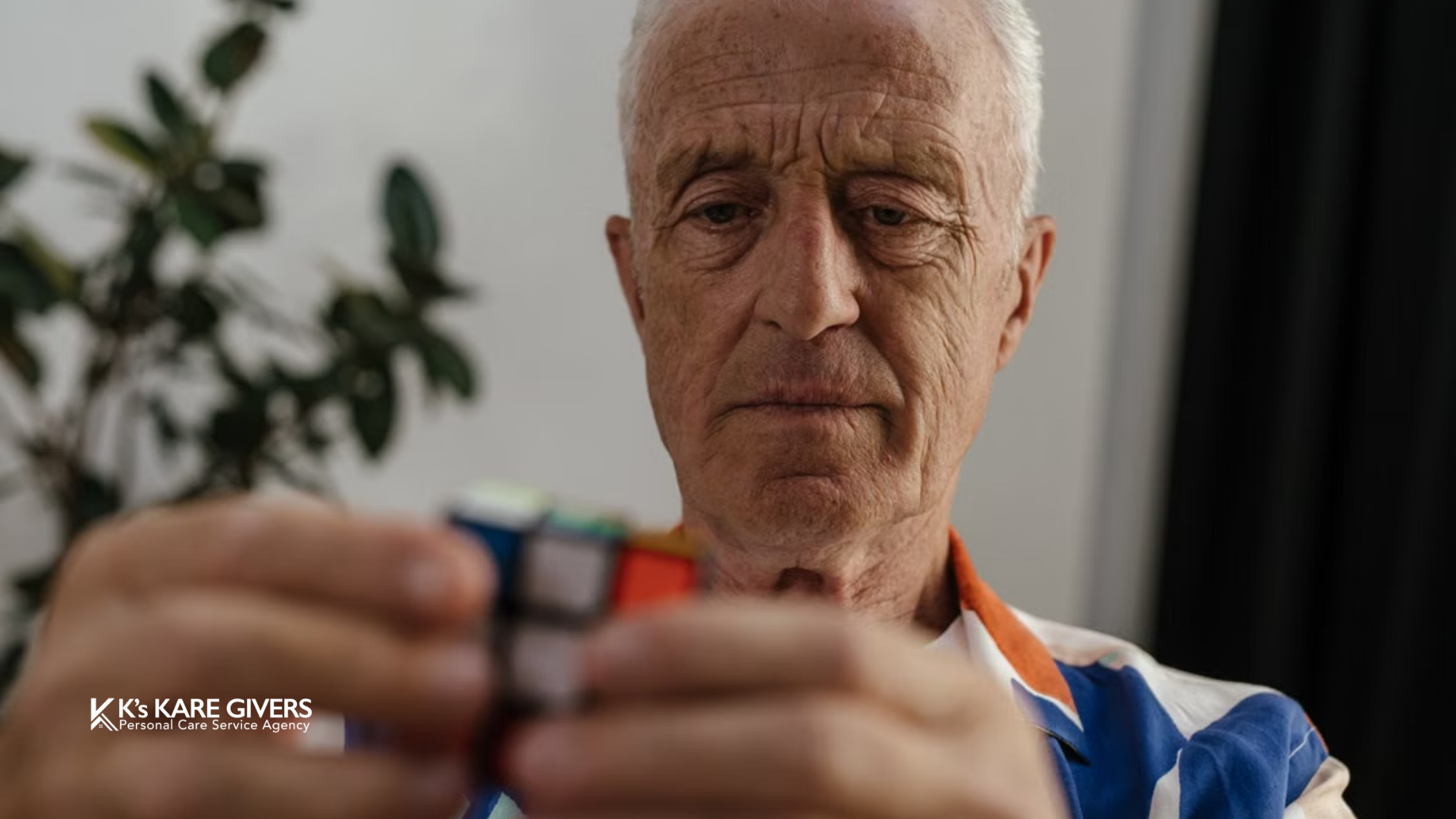
The 7 Stages of Dementia: Symptoms, Progression, and In-Home Care Strategies
The 7 Stages of Dementia: Symptoms, Progression, and In-Home Care Strategies Summary: Dementia progression is clinically tracked across seven distinct phases using the Global Deterioration Scale (GDS), also known as the Reisberg Scale. The framework spans from Stage 1 (No Cognitive Impairment) through early forgetfulness (Stages 2 and 3), moderate memory loss and executive dysfunction…
-

How to Prevent Falls and Accidents for Seniors Living at Home
How to Prevent Falls and Accidents for Seniors Living at Home: Complete Safety Guide Summary: Preventing falls and domestic accidents among aging seniors requires a comprehensive strategy combining environmental home modifications, routine medication reviews, physical mobility exercises, and professional caregiver supervision. Falls represent the leading cause of fatal and nonfatal injuries among older adults, often…