Mindblown: a blog about philosophy.
-

How to Handle Difficult Dementia Behaviors: De-escalating Aggression, Wandering, and Paranoia
Summary: Difficult behaviors in dementia, such as aggression, wandering, and paranoia, are distress signals caused by cognitive deterioration, physical discomfort, or environmental overstimulation. Successful management relies on three core principles: Validate and never debate: Acknowledge the person’s emotional reality rather than correcting factual errors. Identify hidden triggers: Investigate physical pain, infections, sensory overload, or fatigue…
-

Dementia Care at Home: A Step by Step Guide to Daily Routines and Safety
Dementia Care at Home: A Step by Step Guide to Daily Routines and Safety Summary: Providing effective dementia care at home requires establishing predictable daily schedules, implementing proactive household safety modifications, and adopting compassionate communication techniques. Maintaining structured routines for morning hygiene, nutritious meals, cognitive stimulation, and evening winddown helps reduce anxiety, confusion, and late…
-

Managing Sundowning in Dementia: Causes, Triggers, and Calming Nighttime Strategies
Managing Sundowning in Dementia: Causes, Triggers, and Calming Nighttime Strategies Summary: Sundowning syndrome, also known as late afternoon agitation, is a neurological phenomenon affecting individuals with Alzheimer’s disease and progressive dementia. Characterized by heightened confusion, anxiety, pacing, paranoia, and sleep disruption beginning in the late afternoon and continuing into the night, sundowning is driven by…
-

Dementia vs. Alzheimer’s Disease: Key Differences, Symptoms, and Care Needs
Dementia vs. Alzheimer’s Disease: Key Differences, Symptoms, and Care Needs Summary: Although the terms are frequently used interchangeably, dementia and Alzheimer’s disease are not the same condition. Dementia is an overarching clinical umbrella term describing a progressive decline in memory, reasoning, communication, and daily functioning. Alzheimer’s disease is a specific, irreversible neurodegenerative disorder and represents…
-
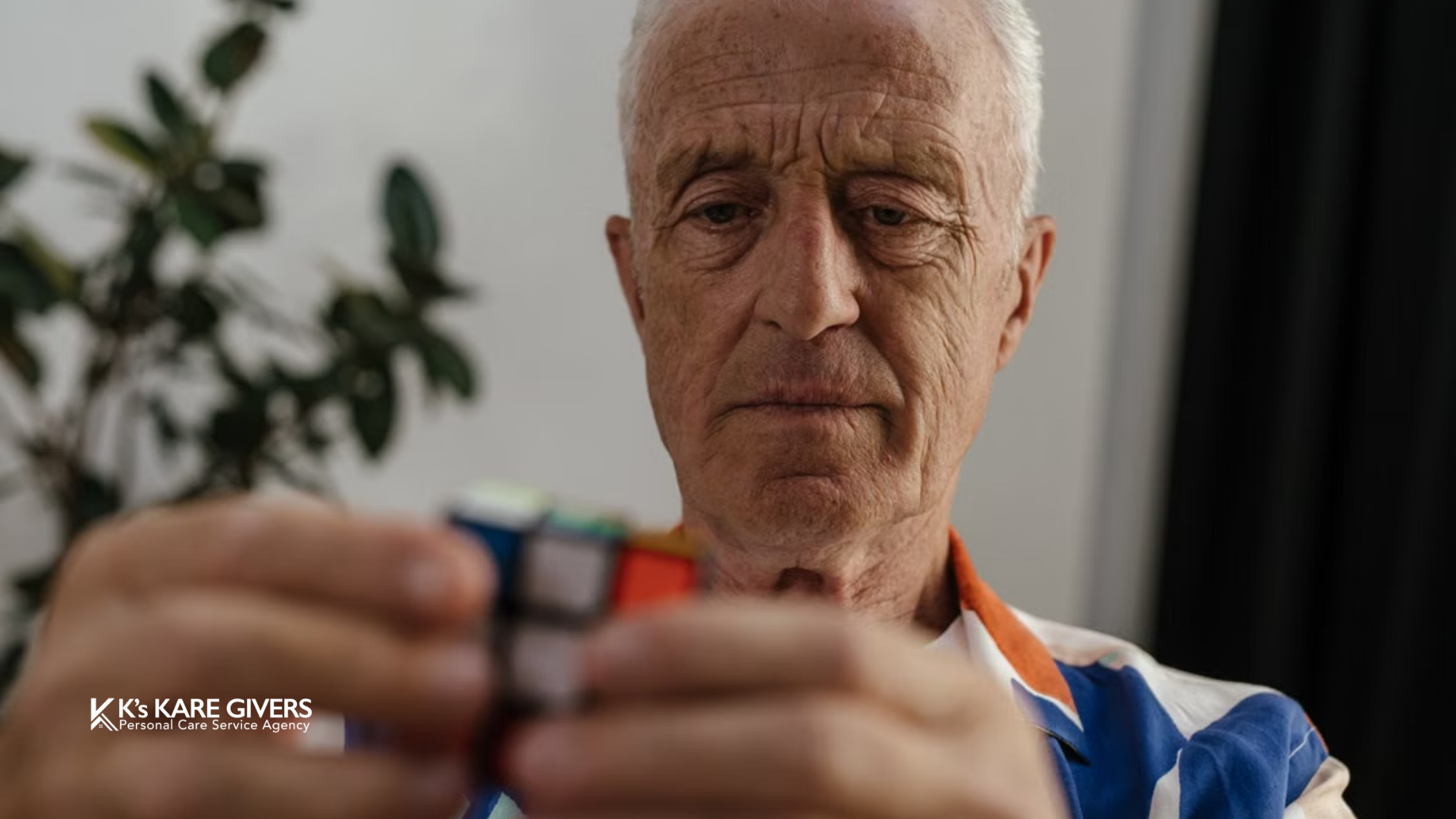
The 7 Stages of Dementia: Symptoms, Progression, and In-Home Care Strategies
The 7 Stages of Dementia: Symptoms, Progression, and In-Home Care Strategies Summary: Dementia progression is clinically tracked across seven distinct phases using the Global Deterioration Scale (GDS), also known as the Reisberg Scale. The framework spans from Stage 1 (No Cognitive Impairment) through early forgetfulness (Stages 2 and 3), moderate memory loss and executive dysfunction…
-

How to Prevent Falls and Accidents for Seniors Living at Home
How to Prevent Falls and Accidents for Seniors Living at Home: Complete Safety Guide Summary: Preventing falls and domestic accidents among aging seniors requires a comprehensive strategy combining environmental home modifications, routine medication reviews, physical mobility exercises, and professional caregiver supervision. Falls represent the leading cause of fatal and nonfatal injuries among older adults, often…
-

Finding Caregiver Support Groups: Online and Local Communities That Help
Finding Caregiver Support Groups: Online and Local Communities That Help Summary: Caregiver support groups provide vital emotional relief, practical caregiving education, and mental health protection for family members caring for aging parents or chronically ill relatives. Available in both virtual and local in-person formats, support networks connect caregivers with peers who understand the unique strains…
-

How to Share the Care and Divide Responsibilities among siblings
Sibling Conflict in Caregiving: How to Share the Care and Divide Responsibilities Summary: Sibling conflict is one of the most common and distressing challenges families face when caring for aging parents. Disagreements typically arise from unequal distribution of daily tasks, differences in financial contributions, geographic proximity imbalances, and unresolved childhood dynamics. Resolving sibling tension requires…
-

7 Clear Signs Your Aging Parent Needs Professional In-Home Care
When to Step In: 7 Clear Signs Your Aging Parent Needs Professional In-Home Care Summary: Recognizing when an elderly parent requires professional assistance is one of the most critical decisions an adult child will make. Physical decline, cognitive changes, and self-neglect often occur gradually, making warning signs easy to overlook until an acute medical emergency…
-

10 Practical Ways to Balance a Full-Time Career with Family Caregiving
10 Practical Ways to Balance a Full-Time Career with Family Caregiving Summary: Balancing a demanding professional career with the daily responsibilities of family caregiving requires intentional boundaries, workplace advocacy, smart technology, and professional support systems. Millions of employed adults belong to the sandwich generation, providing daily elder care while managing full-time jobs. Working caregivers can…
Got any book recommendations?